A Certified Menopause Mental Health Practitioner is a licensed therapist with specialized training in how perimenopause and menopause affect your mood, anxiety, sleep, relationships, and sense of who you are. It is not a medical credential, so it doesn’t involve prescribing hormones. It means your perimenopause therapist understands the emotional side of this transition and knows how to help you through it.
You finally decide to look for a therapist. You scroll through profile after profile, and every one says some version of “I work with women.” So how do you find someone who actually gets what’s happening to you?
What does a Certified Menopause Mental Health Practitioner do?
In plain terms, we help with the emotional side of hormonal change. That includes anxiety that shows up out of nowhere, a shorter fuse than you’re used to, low mood, brain fog, and the feeling that you just don’t feel like yourself.
We don’t replace your doctor. A medical provider handles the physical side, like hormone therapy or ruling out other causes. My job is to help you make sense of what you’re feeling, feel more steady, and handle the stress, relationship changes, and identity questions that often come along for the ride. You can learn more on my perimenopause and menopause therapy page.
Why does it matter if my therapist understands perimenopause?
Because a lot of women get told it's "just stress." In my work with clients, I hear things like "I feel like I'm losing my mind" and "This is just how it is at my age." Those feelings are real, and they deserve more than a shrug.
Perimenopause can bring irritability, mood swings, more anxiety, and trouble sleeping, according to the Cleveland Clinic. A therapist who knows that will ask different questions. Instead of only working on anxious thoughts, we look at the whole picture, including what your body is going through. I've also written about how perimenopause can affect anxiety.
What does a menopause-informed therapist look for?
Timing. Did the anxiety, irritability, or low mood start or get worse in your late 30s or 40s?
Sleep. Are you waking up at night or never feeling rested?
New patterns. Are you anxious when you never used to be, or snapping in ways that don't feel like you?
Self-doubt. Are you second-guessing yourself more than ever?
Your load. What else are you carrying right now, at work, at home, with kids or aging parents?
Identity. Are you asking "Who am I now?" in a way you didn't expect?
Is it perimenopause, anxiety, or burnout?
Often, it's a mix. What I often see in my practice is that perimenopause lands right in the middle of an already full life. The same load you carried at 35 can feel much heavier at 45.
That's why I don't try to squeeze you into one explanation. We look at hormones, stress, and the patterns you've built over the years, all together. If you want to go deeper, my post Is It Burnout, Anxiety, or Perimenopause? walks through the overlap. And if anxiety or burnout feels like the loudest piece right now, my anxiety therapy and burnout therapy pages explain how I help.
How can perimenopause affect your relationships and sense of self?
Hormonal change doesn't stay in one corner of your life. When you're sleeping poorly and feeling on edge, it's easier to snap at your partner, run out of patience with your kids, or pull back from friends. Then the guilt shows up, and that adds one more layer to carry.
Many women also start asking bigger questions. "I should be happy. I have everything I wanted." Or "I've spent so long taking care of everyone else, I forgot about me." Those thoughts can feel scary, but they're often a sign that something important wants your attention.
In therapy, we make room for both. We work on the day-to-day strain in your relationships, and we also get curious about who you're becoming in this next chapter. You don't have to have it all figured out. You just need a place to start. My post Who Am I Now? The Identity Shift Nobody Warns You About in Midlife goes deeper into this part.
Why did I become a Certified Menopause Mental Health Practitioner?
I went through perimenopause earlier than I expected. Finding support from someone who understood both the hormonal and the emotional side was harder than it should have been. I wanted the women I work with to have what I had trouble finding.
I'm Jaclyn Burwell, a Licensed Clinical Social Worker in Pennsylvania and North Carolina, with over 15 years of experience. I earned my certification through BRIA Health, a Canadian organization focused on menopause and mental health care. The training covered how hormonal changes affect mood and anxiety, sleep, relationships, and identity.
What should I ask a therapist about perimenopause?
Whoever you choose, these questions can help you find a good fit:
What training do you have in perimenopause and menopause?
How do you tell the difference between hormones, anxiety, and burnout?
Do you work with women in midlife specifically?
Are you comfortable working alongside my doctor?
What does a typical session with you look like?
A good therapist will be glad to answer these in a free consultation.
Is this a good fit for you?
Working with a menopause-informed therapist can help if you:
Are in your late 30s, 40s, or 50s and don't feel like yourself
Have new or worse anxiety, irritability, or overwhelm
Have been told it's "just stress" and know it's more than that
Want support that looks at your hormones, your stress, and your life together
Something else might be a better fit first if:
You're in crisis or feel unsafe. Please call or text 988 to reach the Suicide and Crisis Lifeline, or call 911 if you’re in immediate danger.
Your main concern is physical, like hot flashes, heavy bleeding, or a racing heart. Start with your doctor or a menopause specialist. The Menopause Society has a directory of menopause practitioners that can help.
Frequently asked questions
Is a Certified Menopause Mental Health Practitioner a doctor? No. It's a licensed mental health professional, like a therapist or counselor, with extra training in the emotional side of perimenopause and menopause. Medical care, including hormone therapy, comes from your doctor or another medical provider. Many women find it helps to have both on their team at the same time.
Do I need to be in menopause to see a menopause-informed therapist? No. Perimenopause can start years before your periods stop. It usually begins in your mid-40s, but it can start as early as your mid-30s (Cleveland Clinic). Many women reach out during perimenopause, when the changes feel the most confusing. You don't need a diagnosis or lab results to start therapy.
Can therapy help with perimenopause anxiety? It can. Therapy can help you understand what's happening, calm your body when anxiety spikes, and respond to anxious thoughts so they have less control over your day. Many women also talk with their doctor about the physical side. Working on both often feels more complete than doing one alone.
How do I find a perimenopause therapist near me? Look for a therapist who names perimenopause or menopause as a focus and mentions specific training. Ask about their experience in a free consultation. I see clients in person in Collegeville, Pennsylvania, and online anywhere in Pennsylvania and North Carolina, so you don't have to live nearby to work with me.
What does therapy with you look like? Most women meet with me weekly, in person or online. We start by talking about what feels heavy right now and what you want to change. From there, I draw on Acceptance and Commitment Therapy, Mindful Self-Compassion, and inner child work, at a pace that fits your real life. For a step-by-step look, read what to expect from a perimenopause therapist.
You deserve a perimenopause therapist who gets it
If you've been told it's "just stress" and you know it's more than that, you're not imagining it. You deserve support from someone who understands this season, here in Collegeville or online wherever you are in Pennsylvania or North Carolina.
Whenever you're ready, book a free 15 minute consultation. No pressure, just a chance to talk and see if it feels right. Let's talk.
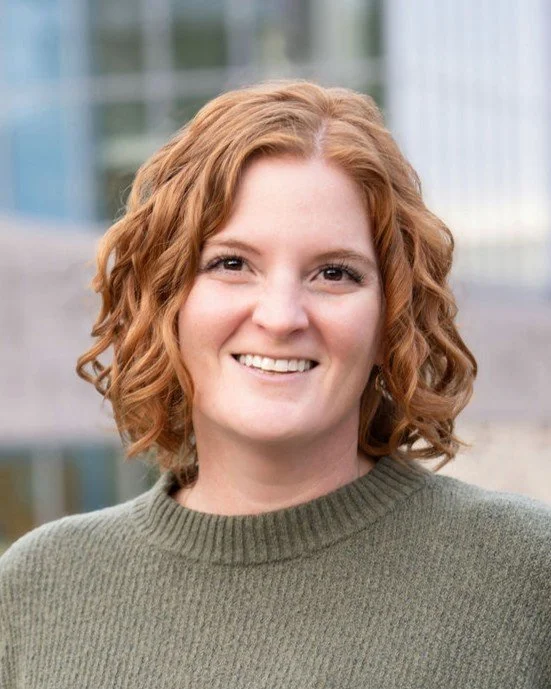
Jaclyn Burwell, LCSW, is a Certified Menopause Mental Health Practitioner and owner of JHB Therapy in Collegeville, Pennsylvania. With over 15 years of experience, she helps women in midlife with anxiety, burnout, perimenopause, and identity shifts. She sees clients in person in Collegeville and online across Pennsylvania and North Carolina.