Can Perimenopause Cause Anxiety? Why Midlife Anxiety Feels So Different
You used to be the calm one.
The one who could handle a work crisis, a sick kid, and a flat tire in the same afternoon without breaking a sweat. And now? You wake up at 3 a.m. with your heart pounding for no reason. You reread a text four times wondering if you sounded rude. You feel on edge in the grocery store. The grocery store.
And the scariest part is you don't know where it's coming from. Nothing big has changed. Your life is basically the same. But you don't feel the same in it.
If you're in your late 30s, 40s, or early 50s and anxiety showed up out of nowhere (or got a whole lot louder), there's a good chance perimenopause is part of the story. And for some reason, almost nobody tells women that.
Can Perimenopause Cause Anxiety?
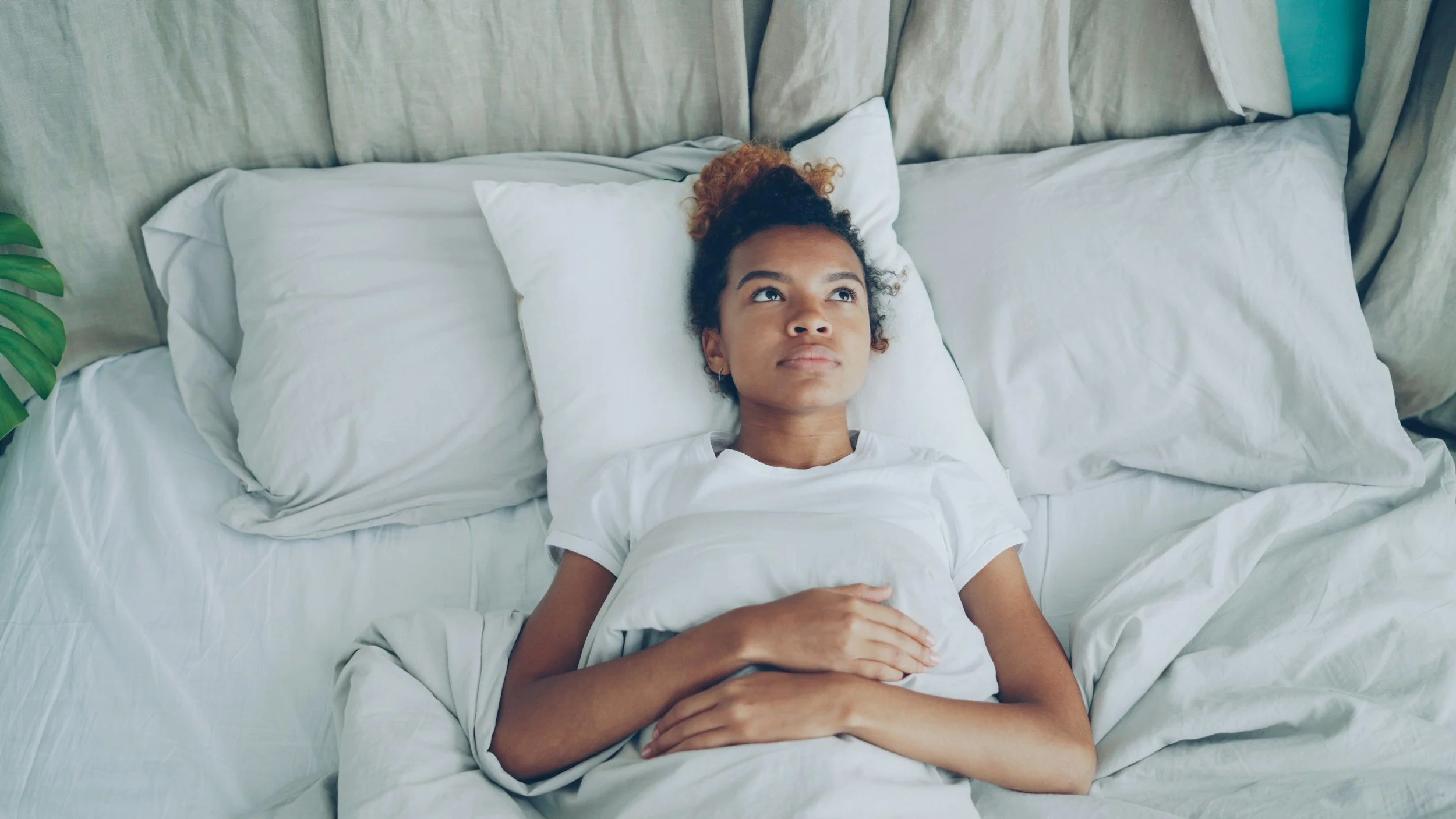
Yes. Perimenopause can cause anxiety, even in women who have never dealt with anxiety before.
Perimenopause is the transition leading up to menopause, and it can start years before your periods actually stop. During this time, estrogen and progesterone don't just drop in a nice, gradual line. They swing up and down, sometimes a lot, sometimes from week to week.
Those hormones do a lot more than run your cycle. They affect the brain chemicals that help regulate mood, sleep, and your sense of calm. Progesterone in particular has a naturally soothing effect, so when it starts to dip, a lot of women feel like their emotional cushion just disappeared.
So when you feel anxious and can't figure out why, it's not because you're "losing it." Your brain chemistry is shifting underneath you. That's real, it's physical, and it deserves to be taken seriously.
What Perimenopause Anxiety Can Feel Like
It doesn't always look like classic anxiety. Sometimes it sneaks in sideways. It might look like:
Waking up at 3 a.m. with your mind racing. Wide awake, heart going, running through every worst case scenario while everyone else sleeps.
Feeling on edge for no clear reason. Like something bad is about to happen, but you can't say what.
Worrying about things that never used to bother you. Driving at night. Your kids' safety. That weird thing you said at a party in 2009.
A shorter fuse than you recognize. Anxiety and irritability are close cousins. If you're snapping more and apologizing more, that counts. (You might relate to Why Am I So Irritable? What Midlife Rage Is Really Telling You.)
Losing confidence in yourself. Brain fog makes you second-guess things you used to handle without thinking. Then you get anxious about the brain fog.
Feeling overwhelmed by things that used to be easy. A full inbox, a busy weekend, a loud room. Your capacity just feels smaller.
Physical symptoms that scare you. A racing heart, a tight chest, feeling hot and shaky. (Always check these out with your doctor. And know that many women experience them as part of perimenopause.)
Why Midlife Anxiety Hits Differently
The hormones are only part of it. Perimenopause tends to show up at the exact same time life gets really, really full.
Kids who need you in bigger ways. Parents who are starting to need you too. A career that's either demanding more or leaving you wondering if this is it. A relationship that might feel more like roommates. And a body that's changing in ways you didn't ask for.
Then there's the belief so many of us carry: that we should be able to handle all of it. Quietly. Well. Without needing anything.
For years you could. You had the energy to push down the worry and keep going. Perimenopause takes some of that buffer away. So feelings you've been managing for decades suddenly don't stay in their box anymore.
That's why so many women say, "I don't understand, I've always been fine." You were carrying a lot. You just had more fuel to carry it with.
When to Talk to Your Doctor (and When to Talk to a Therapist)
The short answer is both can help, and you don't have to pick one.
Talk to your doctor if your anxiety came on suddenly, if you're having physical symptoms like a racing heart or chest tightness, or if you think hormones might be involved. A provider who understands perimenopause can walk you through medical options and rule out other causes. It's worth finding one who actually listens.
Talk to a therapist if anxiety is affecting your sleep, your relationships, your work, or how you feel about yourself. Hormones may have turned up the volume, but therapy helps with what the anxiety is saying, and with the beliefs and patterns that make it so loud.
A lot of women do best with both. Your body and your mind aren't two separate problems.
(Related: Why You Feel Guilty for Resting: The Midlife Trap Nobody Talks About.)
How Therapy Helps With Perimenopause Anxiety
ACT helps you stop fighting your own brain. Acceptance and Commitment Therapy teaches you to notice anxious thoughts without getting pulled under by them. Instead of arguing with every "what if," you learn to let the thought be there and still do the things that matter to you. Anxiety gets less say in how you live your life.
Self-compassion helps you drop the "what is wrong with me" story. When anxiety shows up, most women pile on. Why can't I handle this? Other women seem fine. Mindful Self-Compassion helps you meet yourself with some kindness instead, which calms things down a lot more than criticism ever has.
Inner child work helps you understand where the worry comes from. A lot of midlife anxiety sits on top of something older. The little girl who had to stay alert, keep everyone happy, or hold it together so nothing fell apart. When perimenopause shakes things loose, she tends to show up. Getting to know her, and giving her the reassurance she didn't get back then, helps the anxiety make a lot more sense and feel a lot less scary.
Having a place to say it all out loud. Sometimes the most helpful thing is sitting with someone who gets it and hearing, "That makes sense. You're not crazy."
You're Not Losing It. You're Changing.
If you've been lying awake wondering what happened to the woman who used to have it together, I want you to know she's still here.
You're not broken. You're not weak. You're going through one of the biggest transitions of your life, often with very little information and even less support. Of course it feels like a lot. It is a lot.
You don't have to white-knuckle your way through it or wait until it passes. There is help, and you deserve to feel like yourself again.
I work with women in midlife navigating anxiety, burnout, and perimenopause, in person in Collegeville, PA and online across Pennsylvania and North Carolina.
If this sounded a little too familiar, let's talk.
Learn more about anxiety therapy for midlife women
Frequently Asked Questions
Can perimenopause cause anxiety even if I've never had anxiety before?
Yes. Shifting estrogen and progesterone levels during perimenopause can affect mood and sleep, and many women experience anxiety for the first time during this stage of life.
What age does perimenopause anxiety start?
Perimenopause most often begins in a woman's 40s, though for some it starts in the late 30s. Anxiety can show up at any point during the transition, sometimes before other symptoms like irregular periods are noticeable.
Does perimenopause anxiety go away?
For many women, symptoms ease as hormones settle after menopause, but that transition can take years. Support from a doctor and a therapist can make a big difference in the meantime, so you don't have to just wait it out.
Can therapy help with perimenopause anxiety?
Yes. Therapy approaches like Acceptance and Commitment Therapy, Mindful Self-Compassion, and inner child work can help women manage anxious thoughts, reduce self-criticism, and feel more like themselves. Jaclyn Burwell, LCSW offers therapy in person in Collegeville, PA and online across Pennsylvania and North Carolina.
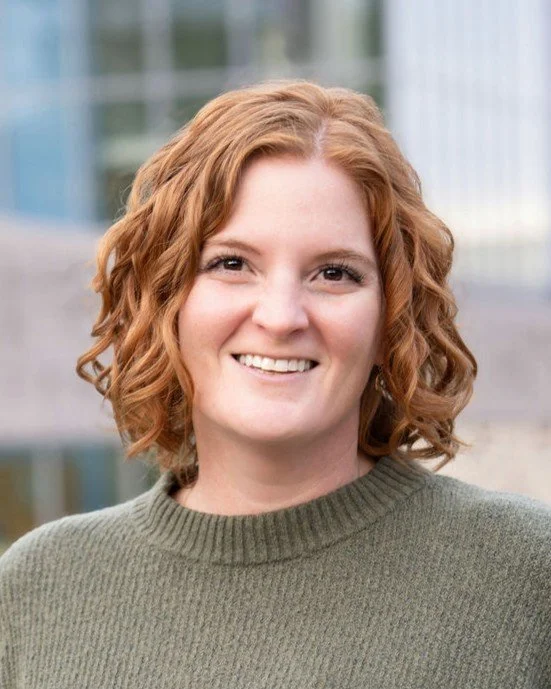
Jaclyn Burwell, LCSW is a licensed therapist with over 15 years of experience and owner of JHB Therapy, LLC, based in Collegeville, PA. She specializes in anxiety, burnout, and midlife transitions, with a focus on women navigating perimenopause and everything that comes with it. Using ACT, Mindful Self-Compassion, and inner child work, she helps women stop surviving and start actually living, in person in Collegeville and online across Pennsylvania and North Carolina.